Small gutter problems don’t stay small for long. Address them now before water damage turns a minor fix into a major expense.
A gutter system is only as effective as its weakest point. A single cracked seam, a sagging section, or a handful of failed fasteners is enough to send water pouring in exactly the wrong direction during every rain event. Over time, that misdirected water finds its way into fascia boards, behind siding, down foundation walls, and into crawl spaces, causing the kind of structural damage that costs far more to correct than the original gutter repair ever would have.
At Marietta Gutter Company, our gutter repair service addresses the full range of damage and deterioration that gutters experience over their working life. From minor joint resealing to full section replacement, we assess each situation carefully and recommend only what is genuinely needed to restore your gutter system to proper working order. If your gutters are leaking, pulling away from the roofline, sagging between hangers, or simply not draining the way they should, fill out our estimate form today. A member of our team will follow up promptly to discuss your situation and get you an accurate quote.
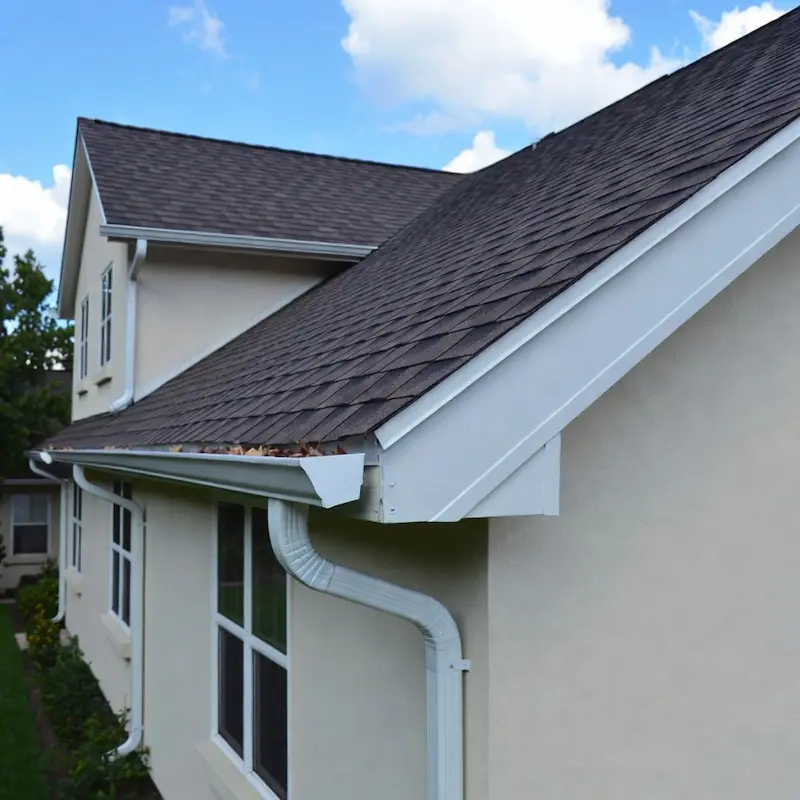
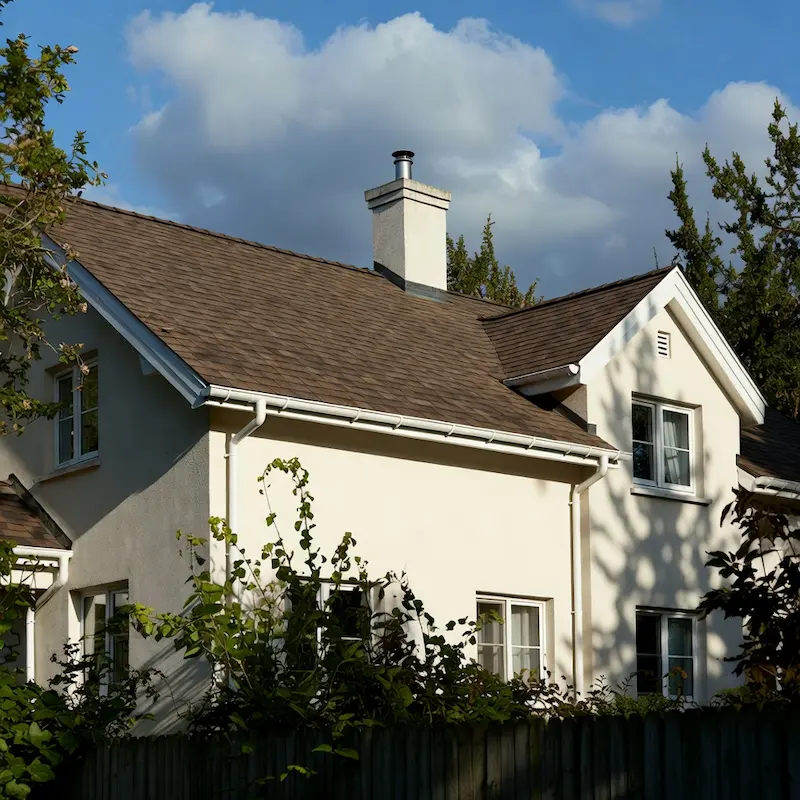
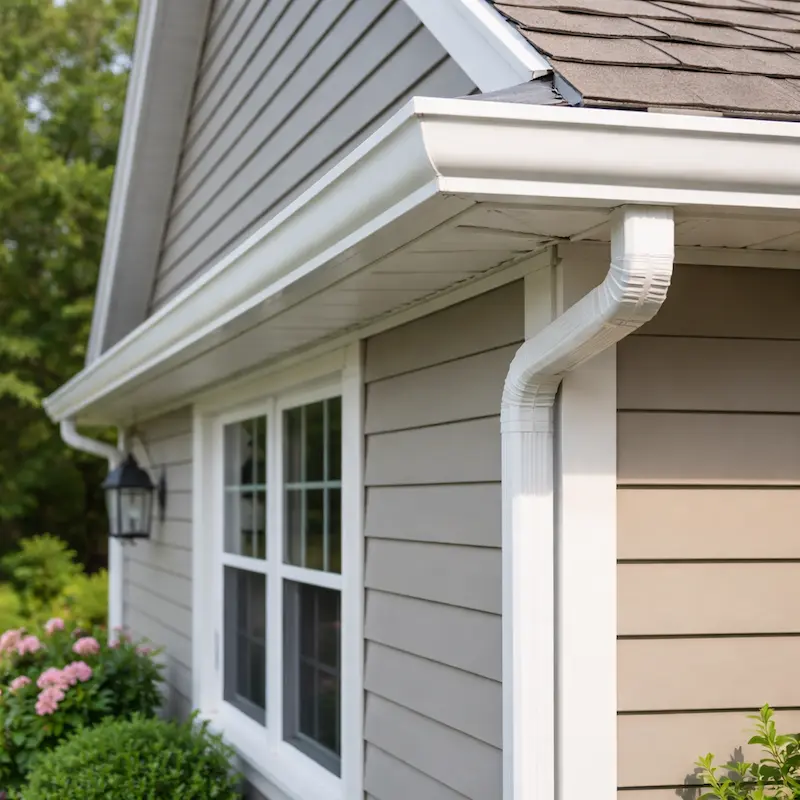
Request Your Free Gutter Repair Estimate
Don’t wait for a small repair to become a large one. Fill out our free quote form and a member of our team will reach out promptly to discuss what you are seeing and schedule a visit to assess your gutter system. There is no cost to request an estimate and no obligation to proceed. We make the process simple so you can get answers and make a confident decision about your home.
Common Gutter Repairs We Perform
The following are the repair issues we encounter most frequently on homes in the Marietta area.
Why Timely Gutter Repair Matters
Deferred gutter repairs have a compounding effect that makes them progressively more expensive the longer they are postponed. A leaking joint that costs relatively little to reseal today may saturate the fascia board behind it over the course of one rainy season. Replacing a rotted fascia board costs significantly more than the sealant repair that could have prevented it. That same moisture can work its way behind the siding, into the wall cavity, and eventually contribute to mold growth or structural framing damage that is far more disruptive and costly to address.
Georgia’s climate is particularly unforgiving in this respect. The Marietta area receives an average of roughly 52 inches of rain per year, well above the national average, spread across frequent storm events throughout spring, summer, and fall. A damaged gutter system in this climate is not a problem that stays contained. Every rain event is an opportunity for water to find its way through the weak point in your gutter system and begin accumulating somewhere it should not be.
Addressing gutter repairs promptly, before secondary damage has time to develop, is consistently the most cost-effective approach to maintaining your home’s exterior.
Our Typical Gutter Repair Process
Gutter repair is not a one-size-fits-all service. The right approach depends entirely on what is wrong, why it happened, and what condition the surrounding materials are in. Here is a detailed look at how we approach every repair job from first contact to finished work.
Step 1: You Submit the Estimate Request Form
The process begins when you fill out our contact form and describe what you are observing. Even a brief description helps us prepare before arriving at your property. You might describe water overflowing at a specific corner, a gutter section that appears to be hanging lower than it used to, or staining on your siding that suggests a leak somewhere above. Whatever you have noticed, share it in the form. This information allows our team to arrive with a reasonable idea of what they are likely dealing with and the tools and materials that may be needed.
Step 2: On-Site Assessment and Diagnosis
When our crew arrives, the first priority is a thorough, unhurried assessment of your entire gutter system, not just the area you flagged in your form. Gutter problems are frequently interconnected, and addressing one symptom without understanding the broader context of the system can result in the same issue recurring or a related problem going undetected. During the assessment, our crew examines every section of gutter for signs of improper pitch or slope, joint separation and failed sealant, hanger failure, pulling at the fascia attachment points, holes, cracks, rust, or corrosion, downspout connection integrity, and the condition of the fascia board and soffit material directly behind and beneath the gutters.
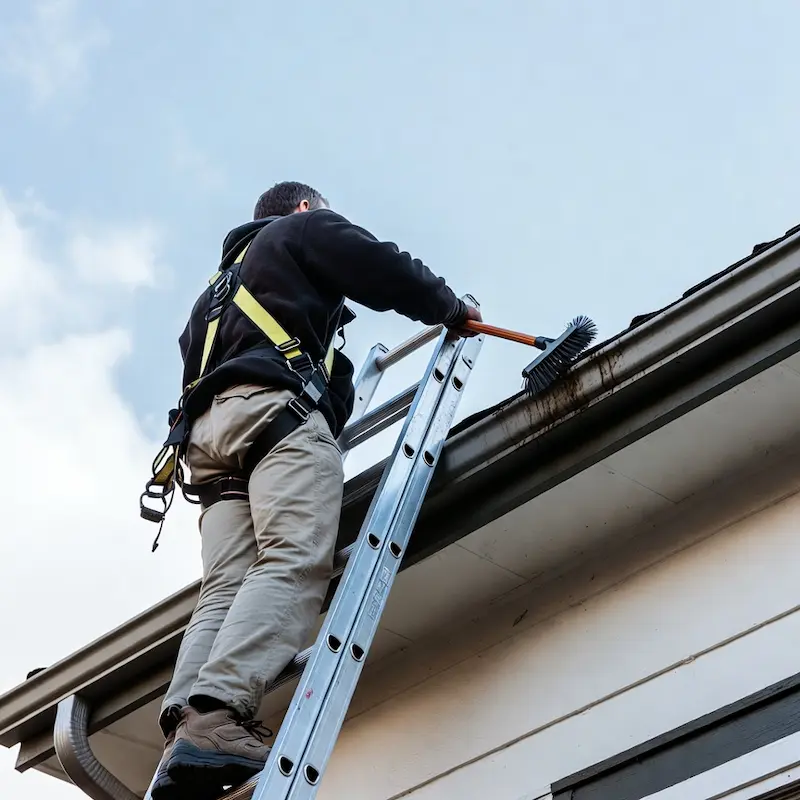
This assessment is conducted at ladder height, not from the ground. Many gutter problems are simply not visible from ground level, and a proper diagnosis requires a close look at the actual condition of the materials involved.
Step 3: Clear Communication of Findings
After the assessment is complete, we provide you with a clear, plain-language explanation of everything we found. We describe each issue, explain what is causing it, and walk you through the repair options available. We distinguish between repairs that are urgent because they are actively causing damage and items that are worth monitoring but do not require immediate action. We present this information in a way that helps you prioritize without overwhelming you, and we provide a transparent cost breakdown so there are no surprises when the work is done.
We do not pressure you to approve every item on the list. Our role is to give you accurate information and let you decide what makes sense for your home and your budget at this time.
Step 4: Joint Resealing and Leak Repair
Leaking gutter joints are among the most common repairs we perform. Gutter sections are connected at seams that are sealed with gutter sealant during installation, but that sealant degrades over time due to UV exposure, thermal expansion and contraction, and the weight stress of debris accumulation. When sealant fails, joints open up and water drips or streams from the joint during rain events, often running directly down the fascia or dripping onto areas below.
To reseal a leaking joint, the affected area is first cleaned thoroughly to remove old sealant, rust, algae, and any debris that has accumulated at the joint. The seam surfaces must be clean and dry for a new sealant bond to hold properly. Fresh gutter sealant is then applied carefully to create a complete, watertight seal along the full length of the joint, including the interior corners where leaks most commonly originate. End caps are treated with the same process when they show signs of seepage.
Step 5: Hanger Replacement and Gutter Realignment
Gutter hangers are the fasteners that attach your gutters to the fascia board and hold them at the correct angle to drain toward the downspout. Over time, hangers can pull out of the wood, corrode and fail, or bend under the weight of debris-loaded gutters. When hangers fail, the gutter sags between support points, water pools in the low spots rather than draining, and the added stress on the remaining hangers accelerates their failure as well.
Hanger replacement involves removing the failed fastener, assessing the condition of the fascia wood at that attachment point, and installing a new hanger in a position that provides solid purchase into sound wood. If the original attachment point has deteriorated due to moisture damage, we locate a nearby section of solid wood for the new fastener and communicate the fascia condition to you so you can address the underlying wood damage if needed. After all hangers are replaced or reinforced, we realign the gutter run to restore proper pitch, which is typically a slight downward slope of approximately one quarter inch for every ten feet of gutter run toward the nearest downspout.
Step 6: Section Replacement
When a section of gutter is beyond practical repair due to extensive rust, physical damage, or deformation, replacement of that section is the appropriate course of action. We measure and cut a replacement section to fit the specific run, matching the gutter profile and width of your existing system as closely as possible. New sections are secured with properly spaced hangers, connected to adjacent sections with sealed joints, and integrated with existing downspout connections. Where end caps are involved, they are installed and sealed on the new section before it is hung.
Section replacement is also the right approach when a gutter has developed multiple small holes or cracks in close proximity. Patching individual holes is a reasonable repair for isolated damage, but a section with widespread deterioration will continue to develop new failures and is better addressed with a full replacement of that run.
Step 7: Downspout Repair and Reconnection
Downspouts are subject to their own set of repair needs separate from the gutter troughs above them. Common downspout issues we address include outlet connections that have separated from the gutter trough, crimped or dented downspout sections that restrict water flow, sections that have pulled away from the wall and lost their mounting brackets, and corroded or perforated sections that drip water against the siding or foundation.
Downspout repairs follow the same careful process as gutter trough repairs: assess first, explain the findings, then complete the work methodically. We confirm that the repaired downspout is securely mounted, properly connected at both the top and bottom, and directing water away from the foundation at the exit point.
Step 8: Post-Repair Flow Test and Final Walkthrough
Once all repair work is complete, we conduct a full flow test of the repaired sections and any adjacent areas of the gutter system. Water is run through the system and the crew observes the entire flow path, watching for any residual leaks at repaired joints, proper drainage without pooling in realigned sections, complete throughput at downspout connections, and clean exit at the base of each downspout. Any issue identified during the flow test is addressed before we consider the job finished.
We then walk you through what was completed, show you the results of the flow test if you are present, and provide documentation of the work done. If anything was observed during the repair process that warrants your attention but was outside the scope of today’s work, we note it clearly so you have a complete picture of your gutter system’s current condition.
Frequently Asked Questions
How much does gutter repair cost in Marietta?
Gutter repair costs in the Marietta area vary considerably depending on the type and extent of the damage involved. A simple joint resealing or single hanger replacement is among the more affordable repairs, while a full section replacement on a two-story home with a complex roofline will naturally cost more. Factors that influence the final price include the number of repair points identified, the accessibility of the affected sections, the height of the home, whether fascia damage is present behind the gutters, and the materials required to match your existing system. The most accurate way to get a real number for your specific situation is to fill out our estimate form. There is no charge and no commitment required to receive a quote.
How do I know if my gutters need repair or full replacement?
This is one of the most common questions homeowners ask, and the honest answer is that it depends on the age and overall condition of the system. Gutters that are leaking at a joint or two, sagging in one section, or missing a handful of hangers are strong candidates for targeted repair. Gutters that are extensively corroded, have multiple failing sections, are pulling away from the fascia in several locations simultaneously, or are approaching the end of their expected lifespan may be more cost-effective to replace in full. During our on-site assessment we give you an honest evaluation of which path makes more financial sense for your specific system, without steering you toward the more expensive option if repair is genuinely the right answer.
What are the most common causes of gutter damage on homes in the Marietta area?
Several factors specific to North Georgia accelerate gutter wear and damage in this region. The heavy hardwood tree canopy throughout communities like Vinings, Indian Hills, and the Lost Mountain area means gutters regularly bear the weight of wet, compacted leaf debris that stresses hangers and joints far beyond what a less-treed environment would produce. Georgia’s freeze-thaw cycles during winter months, while less severe than more northern climates, still cause thermal expansion and contraction that degrades sealant at joints and end caps over time. Afternoon thunderstorms throughout spring and summer deliver high volumes of water in short bursts, which puts sudden pressure on gutters that are even partially compromised. And the region’s humidity accelerates rust and corrosion on older steel gutters that may not have been coated or maintained regularly.
Can gutter repairs be done in rainy weather?
Most gutter repairs are best performed in dry conditions, and for good reason. Joint resealing requires clean, dry surfaces for the new sealant to bond properly and cure without being washed away or diluted before it sets. Hanger and fastener work is safer and more precise in dry weather. However, dry weather is also useful for performing the post-repair flow test that confirms the repair has restored proper drainage. We schedule service during appropriate weather windows and communicate clearly about timing. If weather conditions change unexpectedly around a scheduled appointment, we will work with you to reschedule promptly.
Will gutter repairs fix the water staining on my fascia and siding?
The repair itself will stop the source of water that is causing ongoing staining, but it will not reverse cosmetic damage that has already occurred to the fascia, siding, or exterior paint. Staining from tannins in leaf debris and water runoff can be persistent and may require cleaning or repainting to fully resolve the appearance. What the repair does accomplish is stopping the damage from continuing to worsen. If fascia boards have not yet rotted through, halting the moisture exposure promptly gives the wood a chance to dry out and preserves it for considerably longer than if the leak is left to continue.
My gutters are only a few years old. Why do they already need repair?
Newer gutters can develop problems for several reasons that have nothing to do with the age of the material itself. Improper installation is one of the most common culprits, including insufficient hanger spacing, incorrect pitch during installation, inadequate sealant at joints, or fasteners driven into fascia wood that was already compromised at the time of installation. Physical stress from debris loading, particularly in areas with heavy tree coverage, can also accelerate hanger failure and joint separation on newer systems. A large branch or ice accumulation can bend or dent gutter sections regardless of how recently they were installed. If your gutters are relatively new and already showing problems, our assessment process focuses on identifying whether the issue is material-related or installation-related, which can inform decisions about next steps.
Do you repair gutters on older or historic homes in Marietta?
Yes. Marietta has a significant number of older and historic homes, particularly in and around the Marietta Square, the historic districts along Cherokee Street, and established neighborhoods throughout the city where homes may be several decades old. Older homes often have gutter profiles or dimensions that differ from what is commonly stocked today, and fascia boards on these properties are frequently in a more fragile state after years of exposure. We approach older homes carefully, take time to assess the condition of the underlying wood before attaching new hardware, and discuss material matching options with you when existing gutter profiles are non-standard.
Can you repair gutters that have gutter guards or screens installed?
Yes, though gutter guards do add a step to the repair process. Depending on the type of guard system in place, sections of the guard may need to be carefully removed to access the gutter trough, complete the repair, and reinstall everything properly. We handle this as part of the repair process and take care not to damage the guard system during removal and reinstallation. If a guard panel is damaged during the process due to its age or brittleness, we let you know before proceeding so there are no surprises.
What happens if you find rotted fascia behind my gutters during the repair?
If our crew discovers rotted or significantly deteriorated fascia wood behind your gutters during the assessment or repair process, we will bring it to your attention with a clear explanation of what we found and the extent of the damage. Attaching new gutter hardware to rotted wood is not a viable repair since fasteners will not hold in compromised material. In that situation we outline the options available so you can make an informed decision about how to proceed, whether that means addressing the fascia first before completing the gutter repair or exploring alternative attachment approaches where the wood condition permits.
How long does a gutter repair typically take?
The duration of a gutter repair visit depends entirely on the scope of work identified during the assessment. A focused repair involving a small number of joint reseals or hanger replacements can often be completed within an hour or two. A more extensive job involving section replacement, multiple repair points across the full perimeter of the home, or downspout work on a multi-story property will take longer. We do not rush repairs to meet an arbitrary time target. Every repair point gets the attention it requires to be done properly, and we do not leave the property until the post-repair flow test has confirmed the work is performing as intended.
Get Your Gutters Back in Working Order
Your gutter system does important work every time it rains, and it does that work best when it is intact, properly pitched, and securely attached. If you have noticed leaking, sagging, separation, or any other sign that your gutters are not performing the way they should, the right time to act is now, before the next storm puts more stress on an already compromised system.